 Our Samsung Unlocking process is safe, easy to use, simple and 100% Guaranteed to unlock your phone regardless of your network! Once you receive our 8 digit Samsung Unlock code (Network code) and easy to follow instructions, your Samsung phone will be unlocked within 2 minutes. You will then be able to use your unlocked Samsung Smartphone and use the SIM card of your choice! We can unlock all the newest Samsung Models including Samsung Galaxy Note 3, Galaxy Note 7, Galaxy S7 Edge, Galaxy S7, Galaxy S6, Note 3, Galaxy S5 Neo, Galaxy S5, Galaxy Note 2, Galaxy S3 + many more. We can unlock most GSM Carriers including At&t, T-Mobile, Rogers, Fido, Bell, Telus, Vodafone + many more. Once you Unlock your Samsung phone by Unlock Code, it is permanently unlocked, even after you update your firmware. This is the same method Networks will use and charge you $50 and over to unlock your phone. Get your phone sim-free and unlocked today! How To Unlock A Samsung Phone is fast and easy with Cellunlocker.net
Thursday, August 17, 2017
How To Unlock A Samsung Phone
Our Samsung Unlocking process is safe, easy to use, simple and 100% Guaranteed to unlock your phone regardless of your network! Once you receive our 8 digit Samsung Unlock code (Network code) and easy to follow instructions, your Samsung phone will be unlocked within 2 minutes. You will then be able to use your unlocked Samsung Smartphone and use the SIM card of your choice! We can unlock all the newest Samsung Models including Samsung Galaxy Note 3, Galaxy Note 7, Galaxy S7 Edge, Galaxy S7, Galaxy S6, Note 3, Galaxy S5 Neo, Galaxy S5, Galaxy Note 2, Galaxy S3 + many more. We can unlock most GSM Carriers including At&t, T-Mobile, Rogers, Fido, Bell, Telus, Vodafone + many more. Once you Unlock your Samsung phone by Unlock Code, it is permanently unlocked, even after you update your firmware. This is the same method Networks will use and charge you $50 and over to unlock your phone. Get your phone sim-free and unlocked today! How To Unlock A Samsung Phone is fast and easy with Cellunlocker.netMobile Operating Systems (Mobile OS)
 Not sure what a smartphone mobile phone operating system is? Maybe you just need a refresher?
Or perhaps you want to see a mobile operating systems comparison to see which one's most suitable for you? Read our guide and we'll fill you in.
What is a mobile phone operating system?

Gone are the days when mobile phones were just a device to make phone calls and send occasional texts.
Modern smartphones are closer to handheld computers that enable us to send emails, play games, watch the news and make video calls to loved ones. And much more besides.
Operating systems, also known as mobile OS, are the software that run our desktop computers and laptops and manage their resources and memory when they're being used for multi-tasking.
But for some time now, smartphones have used operating systems too and it's this development that has brought advanced functions to mobiles that were previously only available on our computers.
It is also a platform so developers can create applications or 'apps' (software programs developed for smartphones that can carry out specific functions).
There are hundreds of thousands of apps available and they are constantly being developed - each with their own purpose.
For instance, you may download a weather app that tells you the current temperature or chances of rain in your city, a news app or widget that sends the latest headlines straight to your device's homescreen, or a game to simply pass the time.
There are a few examples of mobile device operating systems that include Apple iOS, Google Android, and Microsoft's Windows Phone OS.
How do I know what operating system my mobile phone has?
Because smartphone operating systems are so integrated with the look, feel and function of a mobile phone, many people base their choice of device around which operating system it uses.
If you have already bought your smartphone, the name and version of its software should be detailed in the settings menu.
However, if you are buying a new phone, the operating system can be found the handset's specifications information.
What different kinds of smartphone operating systems are there?
Some mobile operating systems are open source software, which means there are no restrictions on what you can download on it, or who can develop its software (there are often a 'community' of developers).
Open-source operating systems are entirely customisable, whilst others are restricted in the types of software permitted to run on the device.
Here's a mobile operating systems list:
iOS
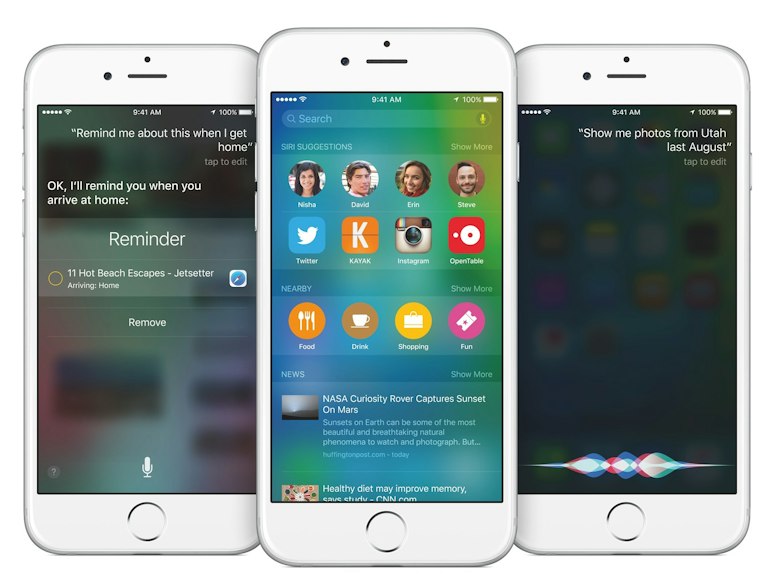
The Apple iOS multi-touch, multi-tasking operating system is what runs the Apple's iPhone, iPad, and iPod. A special version of the software is what powers the Apple Watch too.
iOS responds to the user's touch - allowing you to tap on the screen to open a program, pinch your fingers together to minimise or enlarge an image, or swipe your finger across the screen to change pages.
The Apple iOS is not allowed to be used in third party systems, so you will only be able to use it on products made by Apple. It comes with the Safari web browser for internet use, an iPod application for playing music and Apple's Mail for managing your emails.
You can download millions of applications currently available on the App Store directly to any device running iOS, be it an iPhone or an iPad. These encompass everything from recipe books to guitar tuitorials to games.
Compare iPhone deals and find out more about iOS here: iPhone deals
Android
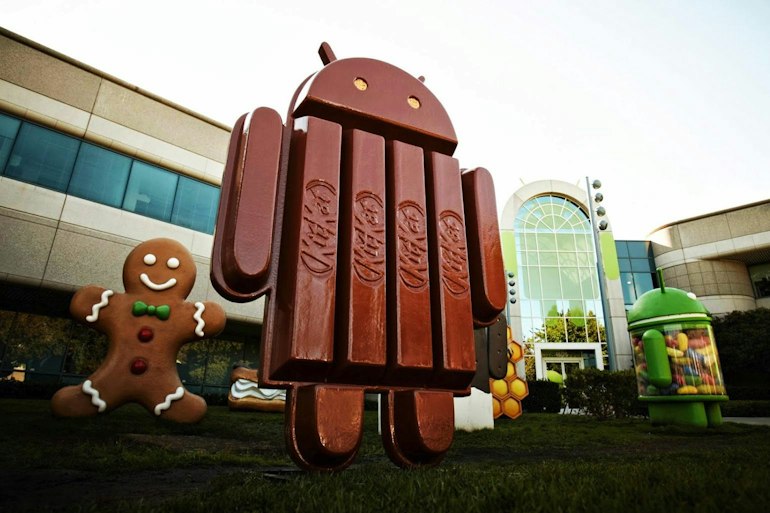
Android OS is owned by Google and powered by the Linux kernel, which can be found on a wide range of devices.
Android is an open source operating system which allows developers to access unlocked hardware and develop new programs as they wish.
This means unlimited access to any anyone who wants to develop apps for the phone and places very little restriction on its licensing, so users benefit from masses of free content.
Android is currently the dominant smartphone platform due to its tremendous traction with a wide spectrum of users.
Some of the best features of Android include the ability to customise multiple homescreens with useful widgets and apps that give you quicker, easier access to the content and functions you most care about.
It also has an excellent capacity for multitasking - with the ability to close programs by simply swiping them away.
Last but not least, the Android Market, which is the Android equivalent of the Apple App Store is home to millions of apps, many of which are completely free.
Find out more about Android and compare Android phone deals here: Android phone deals
Windows Phone

Microsoft released a hugely revamped version of its Windows platform for mobiles in late 2010, after its software fell behind iOS and Android.
Redesigned and rebuilt from the ground up with a greater emphasis on the user experience, the result was an operating system called Windows Phone.
Window Phone is recognisable from its tile-based interface - dubbed Metro - which features removable and interchangeable squares sections on the home screen, each with its own purpose and function.
It also has aggregators called 'hubs', that group together all photos from all applications, or all music into one library, meaning your Facebook photos can be found with your camera photos and your documents from different sources grouped together in one, easy to access location.
Windows Phone comes with a mobile-optimised version of the Internet Explorer for accessing the web, and Exchange, which supports secure corporate e-mail accounts with push support.
Types of Smart Phones
Types of Smart Phones
Smartphones are a part of daily life. They help us to stay connected. They entertain and inform. According to a study by the Pew Research Internet Project (2014), 90 percent of American adults own a cellphone. The most popular types of smartphones are the iPhone, Windows phones, Android, and Amazon's Fire Phone.

IPhone
Apple's iPhone is one of the best selling smartphones in the world. It runs Apple's iOS (operating system) with features such as Safari, FaceTime, and Siri, a personal digital assistant. Siri can remind you of appointments, and just by speaking a song title into the phone, you can play music hands-free. Additionally, you'll find free and paid apps on Apple's App Store. The latest iPhones on the market include the iPhone 6 (4.7 inch) and the iPhone 6 Plus (5.5 inch), priced at $199 or $299 respectively, with a carrier plan. The iPhone is available through AT&T, T-Mobile, Sprint and Verizon. If you choose to buy the phone without a plan, the price can range from $750 to $950.
Windows Phone
From Microsoft, Windows phones incorporate products such as OneDrive (for Microsoft Word, Outlook), Xbox, and Bing at the core of its operating system. It also uses Live Tiles, a main feature of Windows 8 for PCs, which keeps you updated in real time, whether it's news, the weather, or your favorite TV shows. Like the iPhone, Windows phones feature a personal assistant Cortana, who can help you avoid heavy traffic, give you birthday reminders and more. The Window's Phone App Store is where you'll essentially power-up your phone. CNET calls the Nokia Lumia 1520, Nokia Lumia 635, Nokia Lumia 1020, and the Nokia Lumia Icon the best Windows phones of 2014. These phones range in price from $200 to $750.
Android
From Google, the Android OS powers many types of smartphones on the market. An Android phone works with Google products such as Gmail, Google Drive, and Google search. Android phones can be used without having a Gmail account, but they work best with it. Popular phone brands using Android include the Samsung Galaxy Note 4, the Samsung Galaxy S 5, Nexus 6, HTC One and others. You can purchase free apps, movies, TV shows and more via the Google Play Store. Like most smartphones, Android phones come with preloaded apps and are available from AT&T, Sprint, T-Mobile, U.S. Cellular, Verizon Wireless and Virgin Mobile.
Amazon's Fire Phone
From Amazon, the Fire Phone has several features of note: Fire Technology, which can quickly identify songs, TV shows, QR and bar codes; a free year of Amazon Prime, a service that features streaming, as well as free shipping on Amazon orders; and Mayday, video chat support. It comes preloaded with the Kindle app, Silk browser, Amazon Instant, Amazon Music and more. To purchase more apps, movies, TV shows or other features, you can access Amazon's online store. The Fire Phone is available exclusively from AT&T and is regularly priced at $450. With a plan, you can get the phone for $1.
Subscriber identity module(SIM)Card

A subscriber identity module or subscriber identification module (SIM) is an integrated circuit that is intended to securely store the international mobile subscriber identity (IMSI) number and its related key, which are used to identify and authenticate subscribers on mobile telephony devices (such as mobile phones and computers). It is also possible to store contact information on many SIM cards. SIM cards are always used on GSM phones; for CDMA phones, they are only needed for newer LTE-capable handsets. SIM cards can also be used in satellite phones, computers, or cameras.
The SIM circuit is part of the function of a Universal Integrated Circuit Card (UICC) physical smart card, which is usually made of PVC with embedded contacts and semiconductors. "SIM cards" are transferable between different mobile devices. The first UICC smart cards were the size of credit and bank cards; sizes were reduced several times over the years, usually keeping electrical contacts the same, so that a larger card could be cut down to a smaller size.
A SIM card contains its unique serial number (ICCID), international mobile subscriber identity (IMSI) number, security authentication and ciphering information, temporary information related to the local network, a list of the services the user has access to, and two passwords: a personal identification number (PIN) for ordinary use, and a personal unblocking code (PUK) for PIN unlocking.
ANDOID

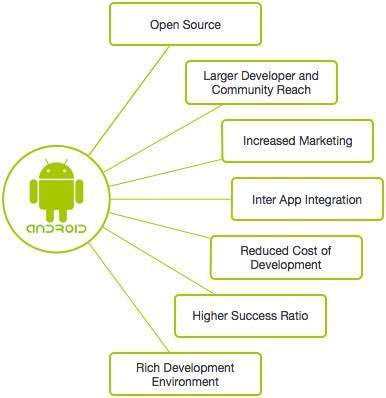
Android is an open source and Linux-based Operating System for mobile devices such as smartphones and tablet computers. Android was developed by the Open Handset Alliance, led by Google, and other companies.
Android offers a unified approach to application development for mobile devices which means developers need only develop for Android, and their applications should be able to run on different devices powered by Android.
The first beta version of the Android Software Development Kit (SDK) was released by Google in 2007 where as the first commercial version, Android 1.0, was released in September 2008.
On June 27, 2012, at the Google I/O conference, Google announced the next Android version, 4.1 Jelly Bean. Jelly Bean is an incremental update, with the primary aim of improving the user interface, both in terms of functionality and performance.
The source code for Android is available under free and open source software licenses. Google publishes most of the code under the Apache License version 2.0 and the rest, Linux kernel changes, under the GNU General Public License version 2.
Why Android ?
Smartphone
What Is a Smartphone?

Definition:
A smartphone is worth buying because it's a device that lets you make telephone calls, but also adds features that you might find on a personal digital assistant or a computer. A smartphone also offers the ability to send and receive e-mail and edit Office documents, for example.
While there is no standard definition of the term "smartphone" across the industry, there are a few features that you'll find on every smartphone.
Here's a list:
Smartphones Use Operating Systems
A smartphone will be based on an operating system that allows it to run productivity applications, such as the BlackBerry OS, the Palm OS, or Windows Mobile.
Other Smartphone Features
A smartphone will offer more than just an address book. It may allow you to create and edit Microsoft Office documents or manage your finances.
Every true smartphone offers some sort of access to the internet. You can use your smartphone to browse your favorite Web sites, for example, or catch breaking new. If there is no internet access, you don't have a smartphone. Some people don't like this feature because they feel their smartphone is spying on them using the internet connection.
All smartphones also include a QWERTY keyboard, so the keys are laid out in the same manner they would be on your computer keyboard.
All cell phones can send and receive text messages, but what sets a smartphone apart is its ability to send and receive e-mail.
Some smartphones can support multiple e-mail accounts. Others include access to the popular instant messaging services, like AOL's AIM and Yahoo! Messenger.
Alternate Spellings: smart phone
Subscribe to:
Posts (Atom)